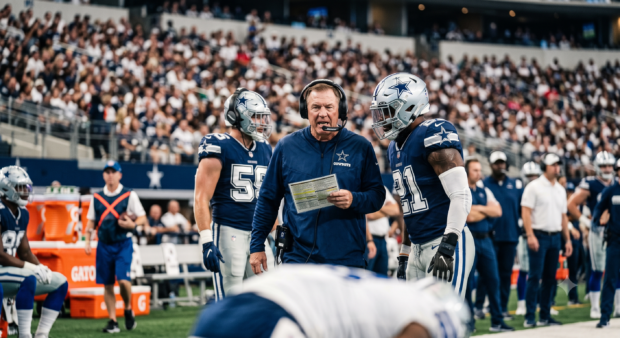

The rigid positional classifications of the past—where running backs only ran, receivers only caught, and quarterbacks stayed strictly inside the pocket—are fading fast. Today’s NFL is defined by versatile, hybrid playmakers who can line up across multiple formations, forcing defensive coordinators to abandon traditional man-coverage schemes in favor of complex hybrid zones.
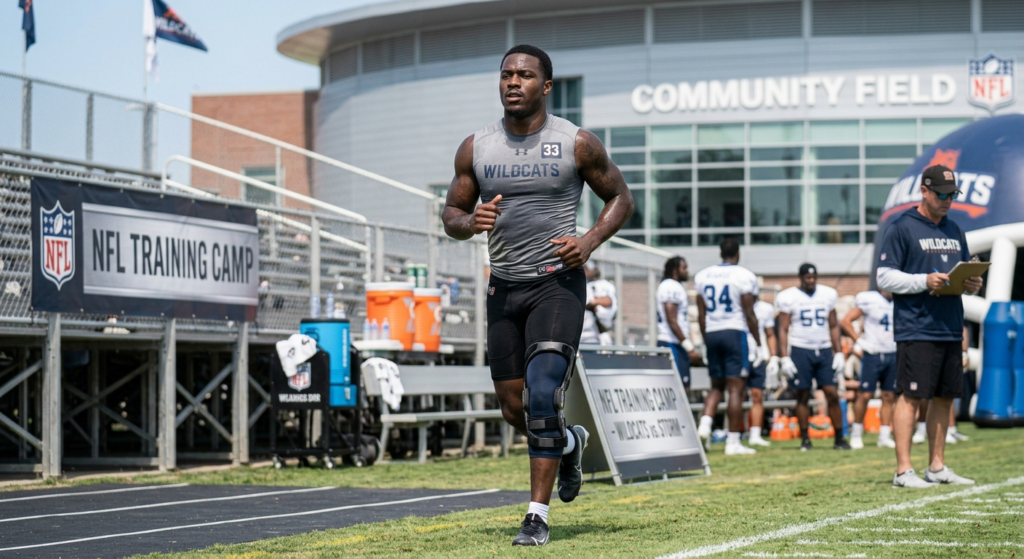
1. The Versatile Running Back in the Passing Game
Running backs are no longer just utilized for pounding the ball up the middle against stacked boxes; they serve as dynamic mismatch weapons in open space.
- Slot Alignment: Lining up elite running backs outside the numbers isolates them against slower linebackers.
- Yards After Catch (YAC): Designing quick screen passes lets explosive runners dictate the tempo of offensive drives.
2. Tight Ends Who Play Like Wide Receivers
The modern tight end position has evolved into a matchup nightmare. Standing 6-foot-5 and moving with elite receiver speed, these players exploit intermediate zones that linebackers cannot cover and cornerbacks struggle to physically match.
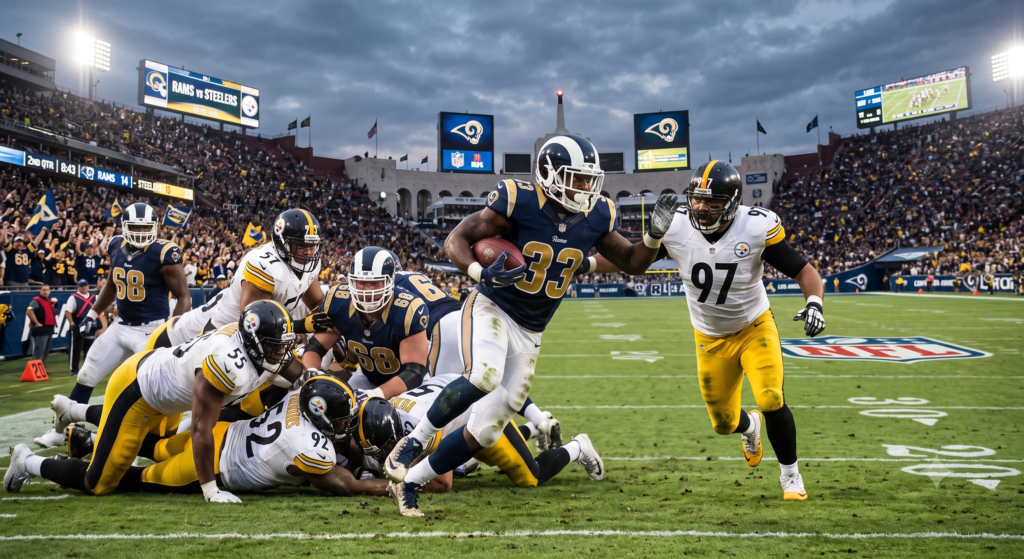
3. Defensive Countermeasures: Hybrid Safeties
To counter versatile offensive weapons, defenses have popularized hybrid linebacker-safety positions (often called “buffalo nickel” or “star” roles) capable of covering elite tight ends downfield while stopping the run.
4. Positional Flexibility in Draft Evaluations
Front offices now place a premium during draft season on college athletes who show multi-positional versatility, knowing that flexibility gives coaching staffs a major tactical advantage.
5. Conclusion: The Positionless Future of Football
As offensive creativity continues to expand, the concept of fixed football positions will continue to dissolve, making way for an era dominated by elite athletes who can do everything on the gridiron.