


The NFL quarterback is widely regarded as the most high-pressure position in all of professional sports. Beyond elite arm talent, physical durability, and playbook mastery, a franchise signal-caller must possess extraordinary mental resilience to lead millions of passionate fans and a locker room full of alpha competitors through a grueling 18-week season.
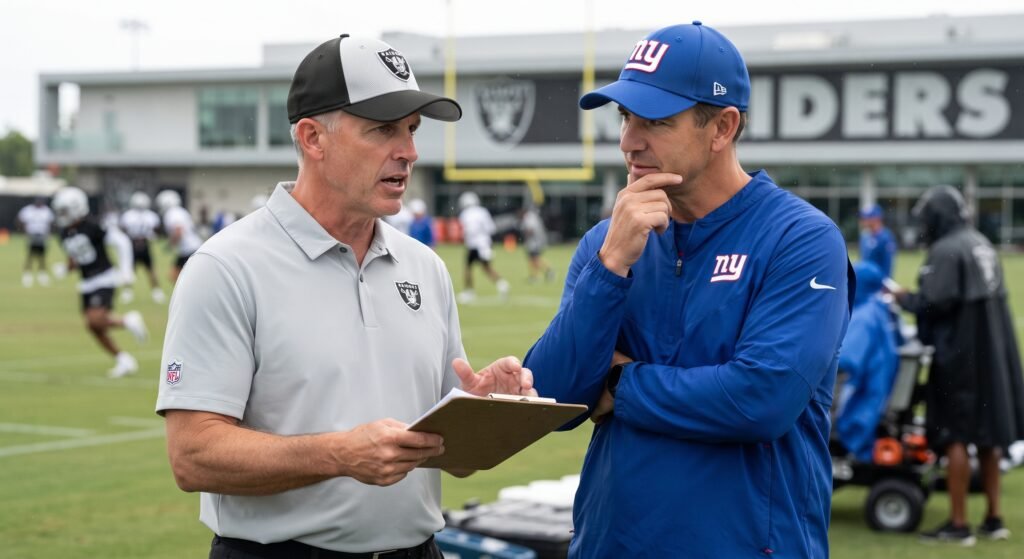
1. Managing High-Stakes Media and Fan Scrutiny
In major media markets across the United States, quarterbacks live under an unyielding microscope. Every incomplete pass, sideline interaction, or social media post is dissected by sports talk shows and analytical blogs.
- Maintaining Emotional Equilibrium: Elite leaders block out external noise, treating victories and defeats with the same analytical composure.
- Locker Room Presence: Inspiring confidence among veteran teammates requires authentic communication and accountability.
2. Two-Minute Drills and Fourth-Quarter Poise
The defining characteristic of a legendary quarterback is performance when the clock is winding down and the game is on the line.
- Processing Speed Under Fatigue: Making split-second reads against disguised coverages while physically exhausted separates good starters from Hall of Famers.
- Short-Term Memory: Throwing an interception early in the game cannot deter a quarterback from aggressively attacking downfield in the final quarter.

3. The Bond Between Play-Caller and Quarterback
Success hinges heavily on the collaborative trust built between the head coach or offensive coordinator and the quarterback during weekly game-planning sessions.
4. Off-Field Preparation and Cognitive Study
Modern quarterbacks spend significantly more time in dark-room film study and virtual reality simulation labs than on the physical practice field during game weeks.
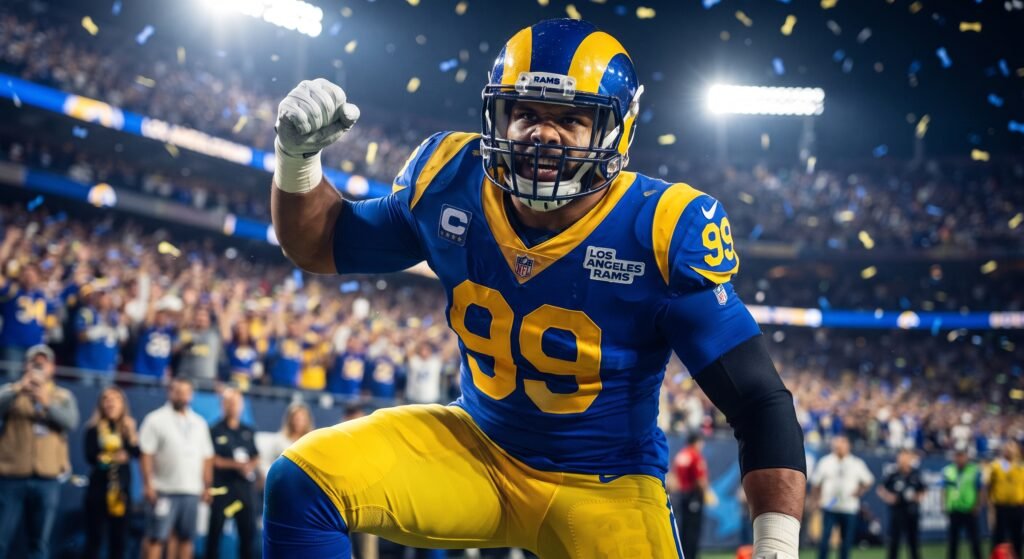
5. Conclusion: The Ultimate Test of Competence
The mental burden carried by NFL quarterbacks is immense, but those who master emotional control and situational awareness cement their legacies as football icons.