

Introduction: More Than Just a Game – A Financial Giant
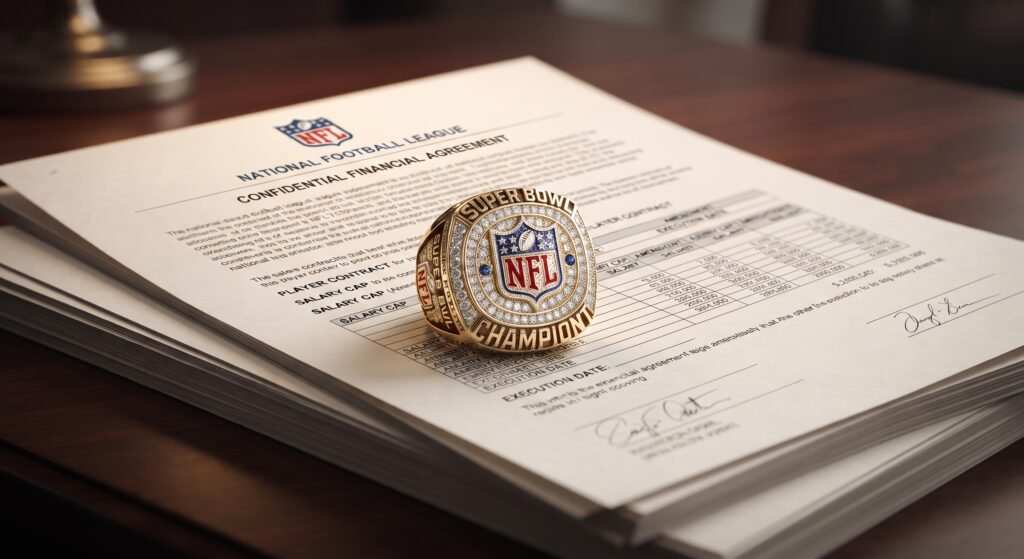
While the thrilling action on the turf captures millions of hearts every weekend, the administrative and economic engine driving the National Football League is an equally remarkable masterpiece. The NFL is widely regarded as the most successful business model in professional sports, generating tens of billions of dollars in annual revenue while maintaining competitive balance across all 32 franchise markets.
How did a collection of independent regional clubs transform into a unified corporate colossus that rivals major Fortune 500 companies? The answer lies in a unique blend of collective bargaining, ironclad television partnerships, brilliant marketing, and an unmatched ability to cultivate consumer loyalty.
The Revenue-Sharing Blueprint and Salary Cap
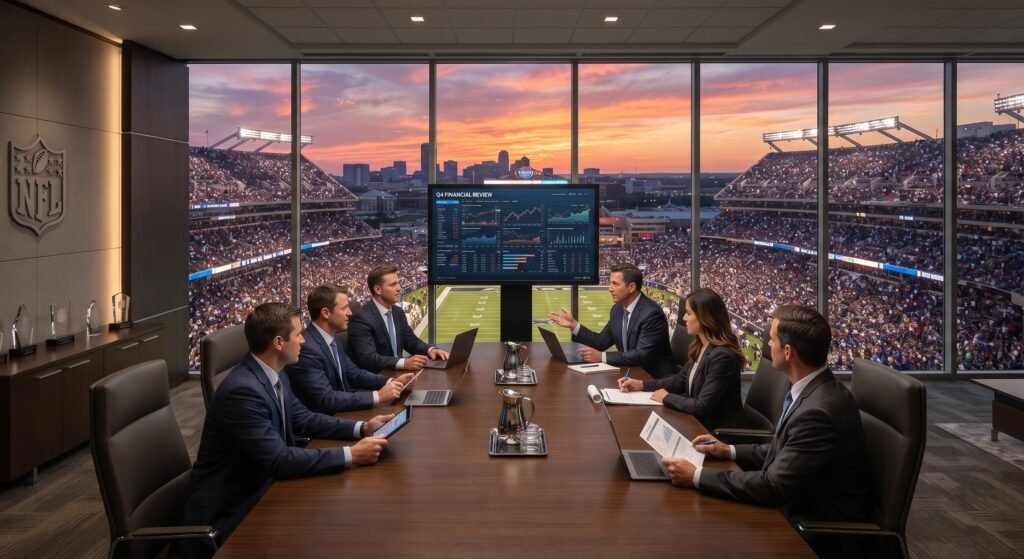
The cornerstone of the NFL’s financial stability is its revolutionary approach to revenue sharing. Unlike European soccer leagues, where a handful of powerhouse clubs hoard massive television deals and dominate domestic competition, the NFL pools its major national revenue streams—primarily multi-billion-dollar broadcasting contracts—and divides them equally among all 32 teams.
This financial equality is complemented by a strict Salary Cap. By capping the amount of money teams can spend on player salaries, the league prevents wealthy owners from simply buying championships. Every franchise operates under the same financial constraints, ensuring that small-market teams like the Green Bay Packers can compete directly with big-market juggernauts like the New York Giants or Los Angeles Rams. This enforced parity guarantees that virtually any fan base can realistically dream of a Super Bowl appearance within a few seasons.
Media Rights, Digital Dominance, and Sponsorships
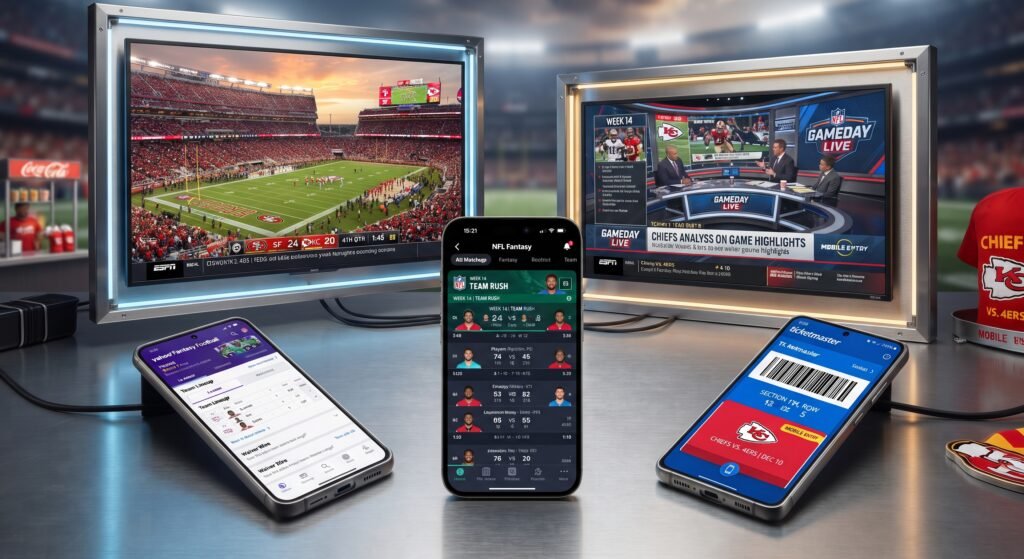
Long before streaming services disrupted traditional media, the NFL understood that television was its golden goose. By securing long-term, astronomical broadcasting agreements with major networks (CBS, FOX, NBC, ESPN) and expanding into digital streaming platforms, the league has secured guaranteed income that insulates it from broader economic downturns.
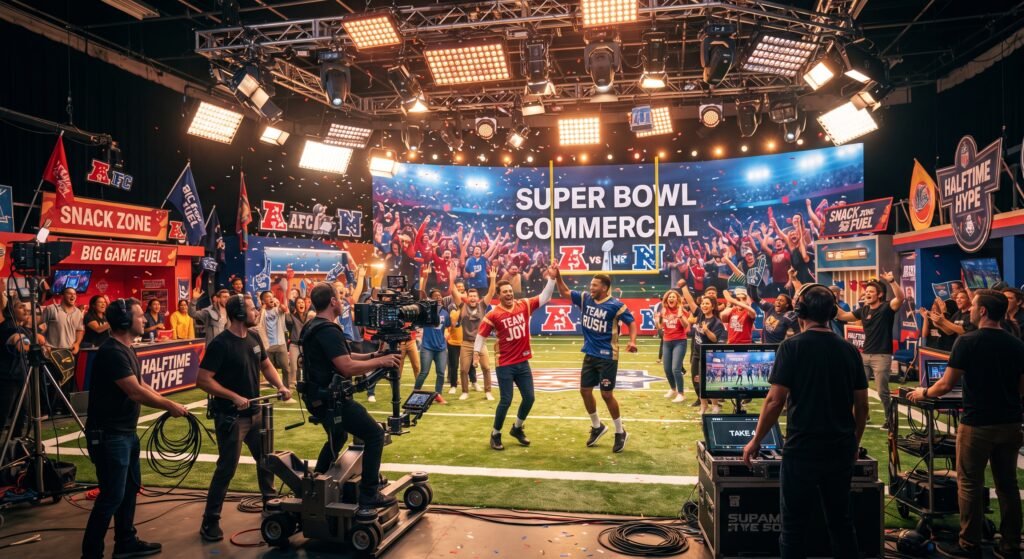
Furthermore, the NFL’s partnership ecosystem is second to none. Official league sponsors span automotive giants, tech conglomerates, financial institutions, and apparel brands. The Super Bowl commercial block has evolved into a cultural phenomenon in its own right, where companies pay millions of dollars for 30 seconds of airtime because no other platform commands such a massive, captive audience simultaneously.
Conclusion: Sustaining the Momentum
The NFL’s economic model is a masterclass in modern sports management. By prioritizing competitive balance, embracing technological and media shifts, and turning every game day into an immersive entertainment event, the league has secured its financial dominance for decades to come.
- YouTube Reference Link: Watch Business & Economy of the NFL Explaine