
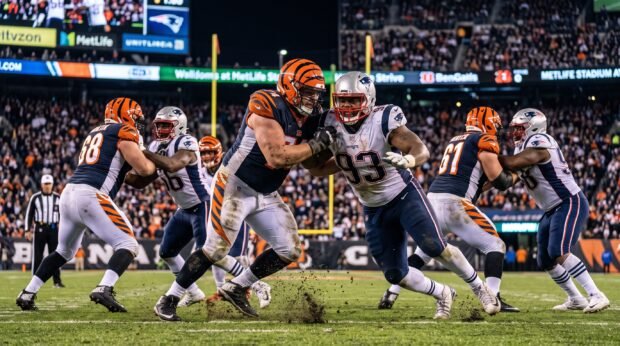

The franchise quarterback carries the heaviest mental burden in professional sports. When an offense hits a multi-week slump, throwing crucial interceptions and struggling to sustain drives, the quarterback becomes the primary target of intense media scrutiny, fan frustration, and social media pressure across the United States.
1. Dealing with Relentless Media and Fan Scrutiny
In major media markets, sports talk shows and online analysts dissect every incomplete pass and poor performance down to the microsecond.
- Blocking Out External Noise: Elite signal-callers train themselves to ignore outside commentary, treating external criticism with absolute detachment.
- Maintaining Locker Room Confidence: Leaders must project unwavering poise so teammates do not lose faith during tough mid-season losing skids.
2. Returning to Fundamentals in Practice
When mechanical flaws or bad habits creep in during a slump, quarterbacks work closely with quarterback coaches and coordinators during closed practice sessions to clean up footwork and throwing mechanics.
- Simplifying the Game Plan: Returning to high-percentage throws and rhythm passes helps rebuild confidence before attacking downfield again.

3. The Power of Short-Term Memory
Dwelling on a costly interception thrown earlier in the game guarantees further mistakes. Developing a short-term memory is the psychological hallmark of legendary hall-of-fame quarterbacks.
4. Sports Psychology and Mental Conditioning
Modern NFL franchises retain dedicated mental health professionals and sports psychologists to help players navigate high-stress slumps, manage anxiety, and maintain optimal focus.

5. Conclusion: Redefining Resilience Under Fire
How a quarterback responds to adversity defines their career arc, separating temporary starters from enduring franchise icons.