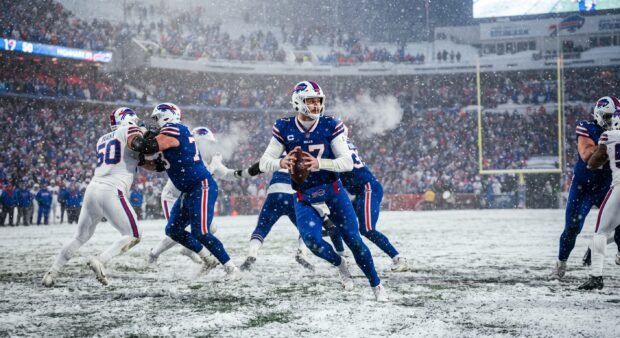

The NFL Draft is the ultimate lifeblood of franchise building. While traditional scouting relied strictly on subjective film evaluation and stopwatch times at the scouting combine, modern front offices now utilize artificial intelligence, predictive tracking models, and biometric algorithms to evaluate college prospects with unprecedented precision.
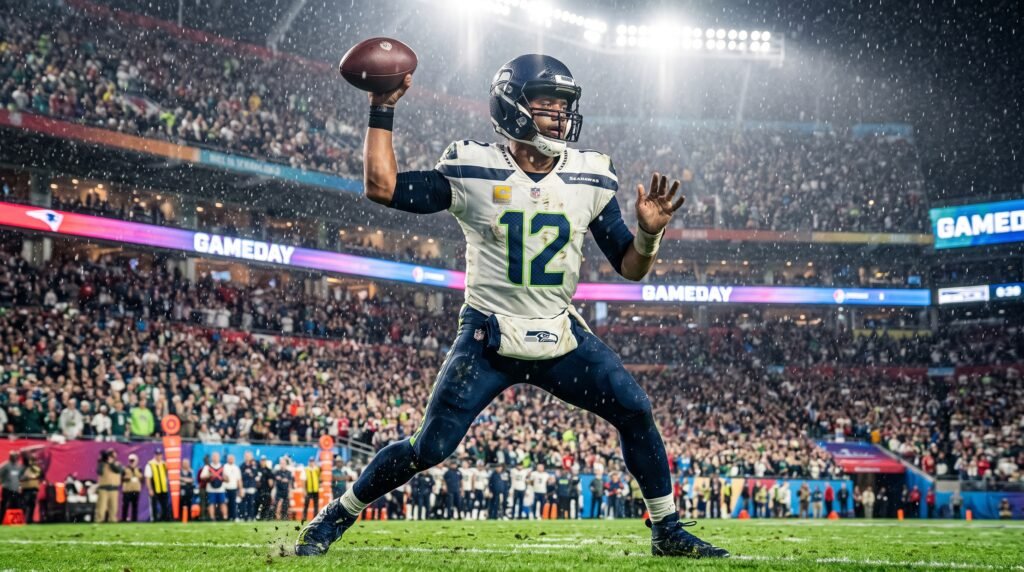
1. Predictive Performance Modeling
Front offices build custom data pipelines to project how a college prospect’s collegiate production will translate against elite professional competition.
- Adjusted Success Rates: Algorithms isolate a player’s performance against top-tier conference opponents rather than lower-tier competition.
- Injury Risk Projections: Medical staffs analyze biometric load tracking data to forecast durability and flag chronic soft-tissue concerns before draft day.
2. Character and Cognitive Evaluation
Physical traits are only part of the equation; football intelligence and processing speed under pressure are heavily tested using advanced cognitive simulation software.
- Virtual Reality Assessments: Prospects undergo VR testing to measure how quickly they diagnose defensive coverages and make correct decisions.
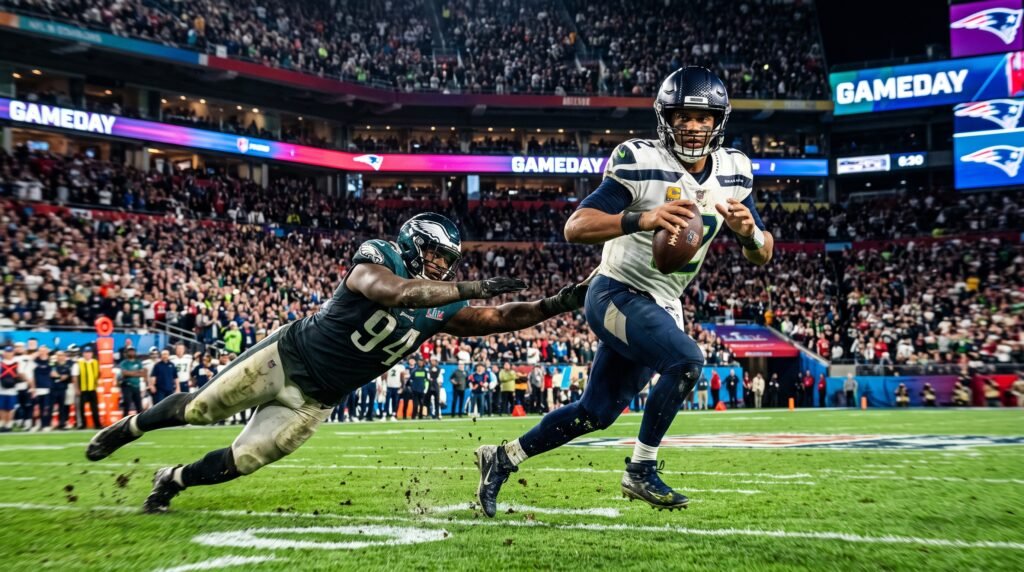
3. The Value of the Draft Pick Trading Market
General managers utilize historical trade value charts to maximize surplus roster value, trading back to accumulate mid-round picks or moving up aggressively for franchise-altering quarterbacks.
4. Bridging Old-School Scouting with Modern Analytics
The most successful franchises find harmony between the experienced eye of veteran scouts sitting in cold college stadiums and the objective insights provided by data scientists.
5. Conclusion: Building the Foundation for Tomorrow
Mastering the science of drafting is what separates perennial playoff contenders from rebuilding teams, making evaluation departments the unsung heroes of professional football.