
ntroduction: From Humble Beginnings in Canton to a Global Phenomenon
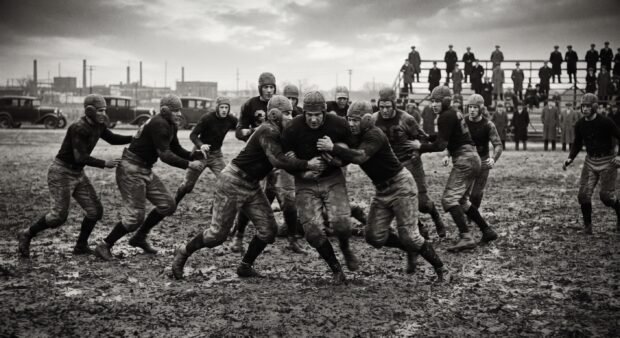
The National Football League (NFL) stands today as the pinnacle of professional American football and one of the most commercially successful sports leagues in global history. However, the journey from a modest meeting in a Hupmobile auto showroom in Canton, Ohio, in 1920 to a multi-billion-dollar entertainment empire is a story of grit, survival, and visionary leadership. When a group of team representatives gathered over a century ago to form the American Professional Football Association (later renamed the NFL in 1922), little did they know they were laying the groundwork for a cultural institution.
In its earliest decades, professional football was erratic. Teams folded regularly, financial instability threatened the existence of the league, and players hopped from one squad to another for a few extra dollars. Unlike Major League Baseball, which enjoyed deeply rooted stability, pro football struggled to capture the mainstream American imagination. Yet, through strategic mergers, a commitment to competitive balance, and an uncanny ability to adapt to technological shifts like television broadcasting, the NFL slowly carved out its niche.
The Crucial Turning Points: Mergers, Rivalries, and Television
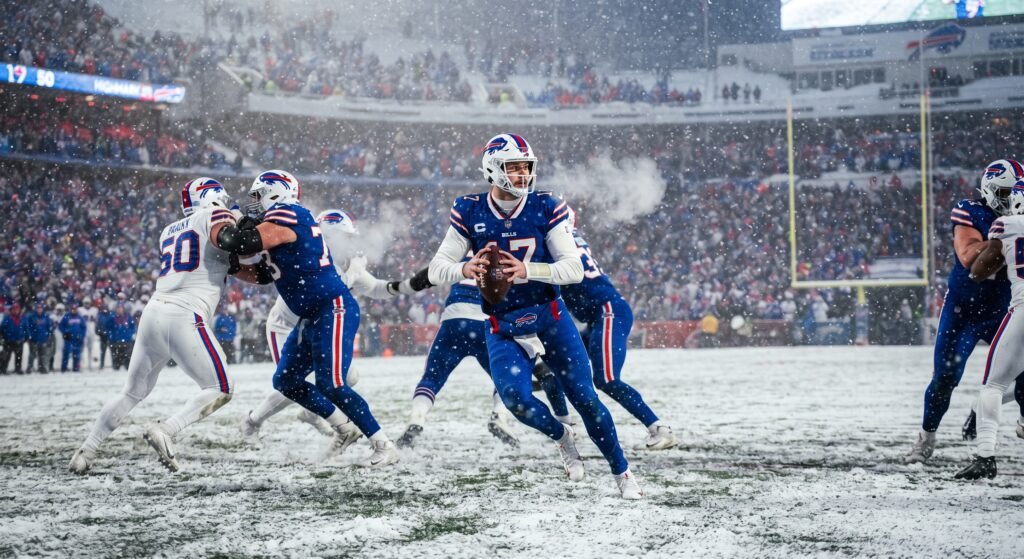
The landscape of American sports changed forever in the mid-20th century. The rise of the rival American Football League (AFL) in 1960 created a fierce bidding war for collegiate talent, driving up player salaries and dividing fans. Realizing that a prolonged war would hurt both organizations, leadership from both leagues negotiated a historic merger agreement in 1966, which was fully finalized by 1970.
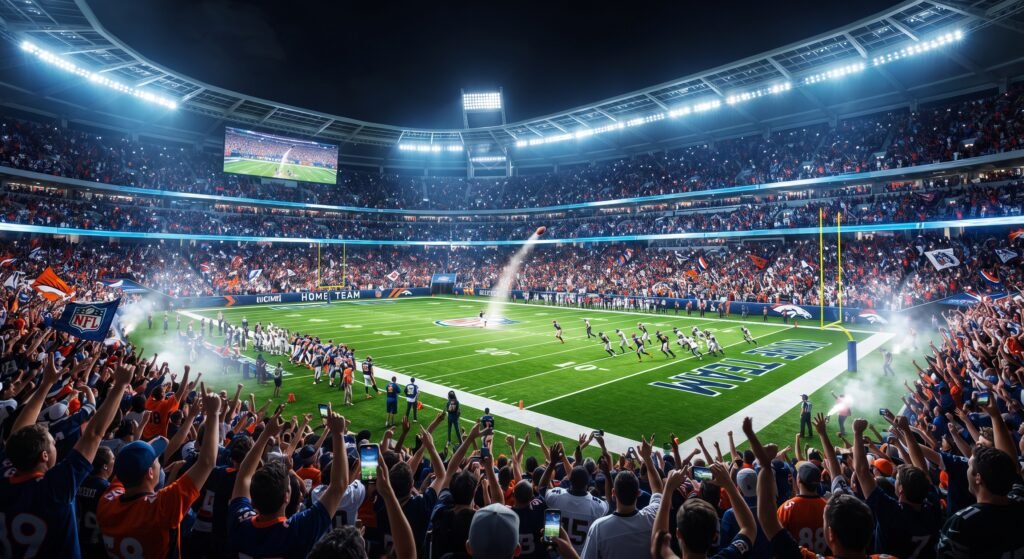
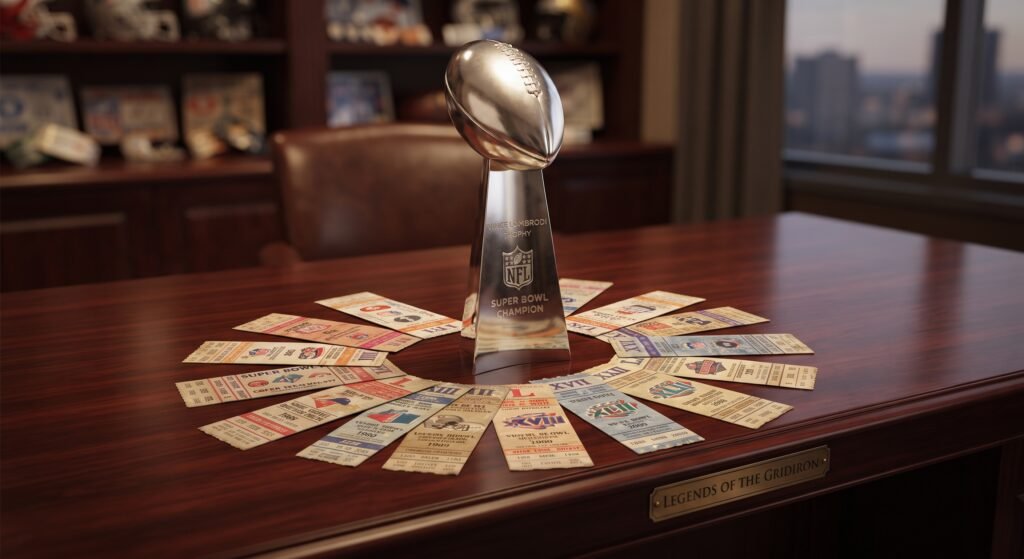
This merger established the unified league structure we recognize today, divided into the American Football Conference (AFC) and the National Football Conference (NFC). Out of this merger came the crowning jewel of modern sports: The Super Bowl. What started as an experiment in inter-league supremacy blossomed into an unofficial American holiday, capturing over a hundred million viewers annually and transforming the advertising and entertainment industries.
Simultaneously, the league leveraged the power of television. Visionary commissioners like Pete Rozelle understood that football was uniquely suited for the screen. By pooling broadcasting rights and partnering with major networks, the NFL ensured equal financial distribution among small-market and large-market teams, cementing a socialist revenue-sharing model that breeds parity and keeps every fan base hopeful year after year.
Modern Era, Global Expansion, and Cultural Impact
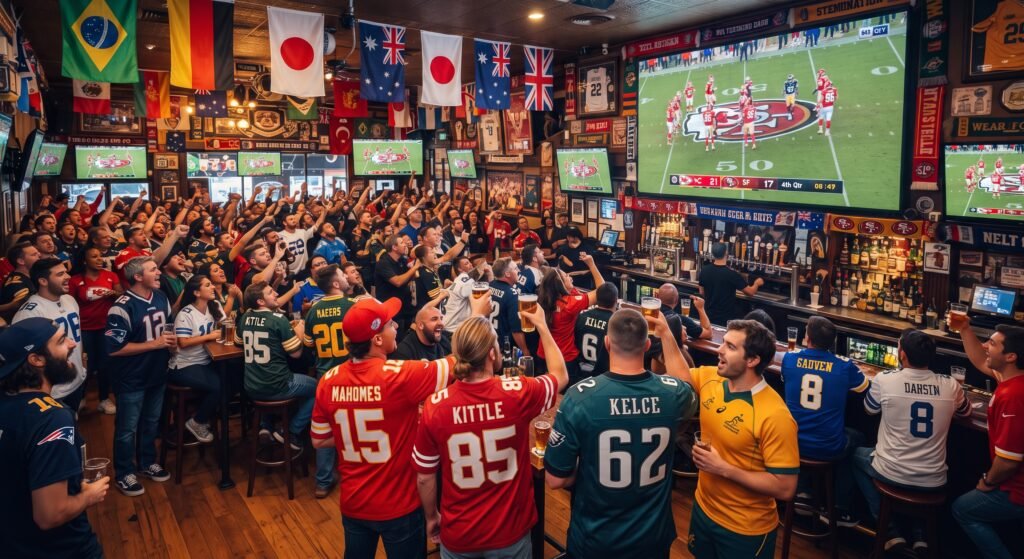
As the NFL entered the 21st century, its growth showed no signs of slowing down. The league embraced advanced analytics, strict player safety protocols, instantaneous replay technology, and a massive digital footprint. Furthermore, the NFL has aggressively pursued international markets, hosting regular-season games in countries like the United Kingdom, Germany, Mexico, and beyond, turning a domestic pastime into a global spectacle.
Today, football culture permeates American society. From fantasy football leagues that engage millions of casual fans to iconic Thanksgiving Day traditions and multi-million-dollar commercial campaigns, the NFL is more than just a sport—it is a year-round economic and cultural engine.