
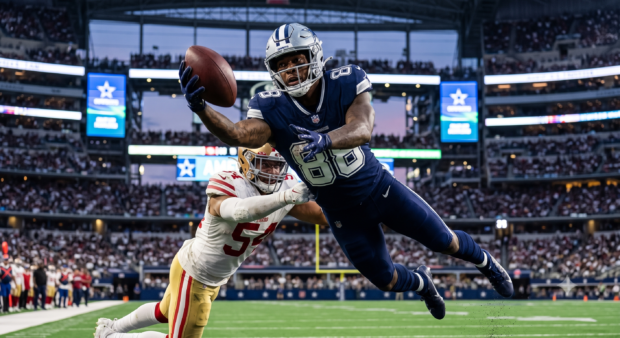

The glitz and glamour of Sunday afternoon prime-time broadcasts often mask the intense mental and psychological pressures borne by professional football players. From managing crushing weight expectations and high-stakes media scrutiny to coping with career-ending injuries, mental health awareness has rightfully taken center stage across the NFL landscape.
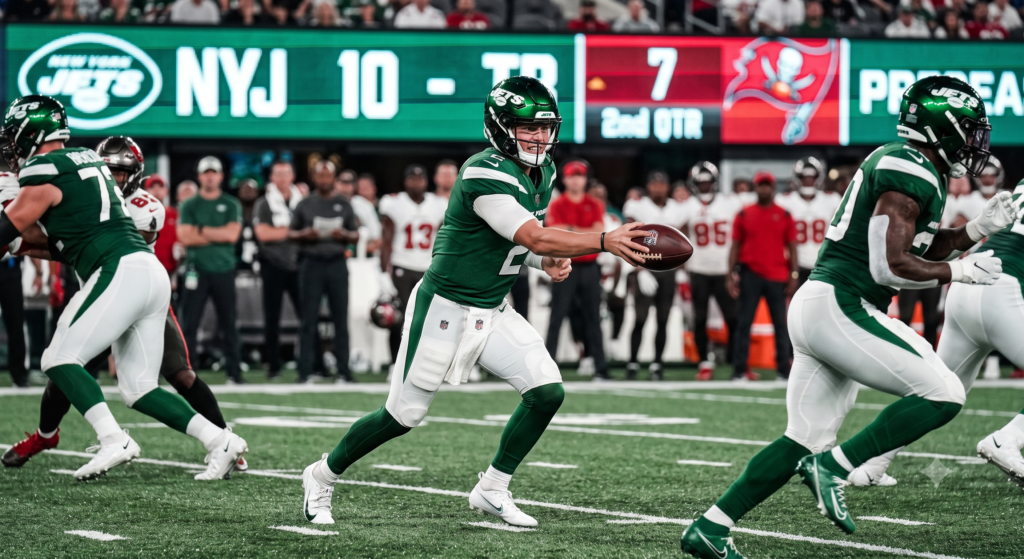
1. Breaking the Stigma Around Mental Health
For decades, toughness in football was defined purely by physical endurance, while emotional struggles were swept under the rug. Today, high-profile athletes opening up about anxiety and depression have sparked a league-wide cultural shift.
- Team Clinicians: Every NFL franchise now retains dedicated licensed mental health professionals and sports psychologists on staff.
- Peer Support Networks: Former players frequently return to mentor rookies, helping them navigate sudden wealth, fame, and performance stress.
2. Coping with Long-Term Physical Recovery
Rehabilitating a severe injury requires immense psychological resilience. The isolation of months spent in training rooms away from teammates can trigger depressive episodes among elite competitors.
- Holistic Wellness Programs: Integrating mindfulness training, meditation apps, and breathing exercises into daily schedules helps players manage cortisol and stress levels.

3. Transitioning Out of the Game
The hardest day for many professional athletes is not their last Super Bowl, but the day they retire from the sport that defined their identity since childhood. Transition assistance programs help former players find second careers in coaching, broadcasting, or business entrepreneurship.
4. The Role of the NFL Players Association (NFLPA)
The NFLPA continues to expand mental health resources, offering 24/7 confidential helpline services for players and their immediate family members, ensuring support is always within reach.
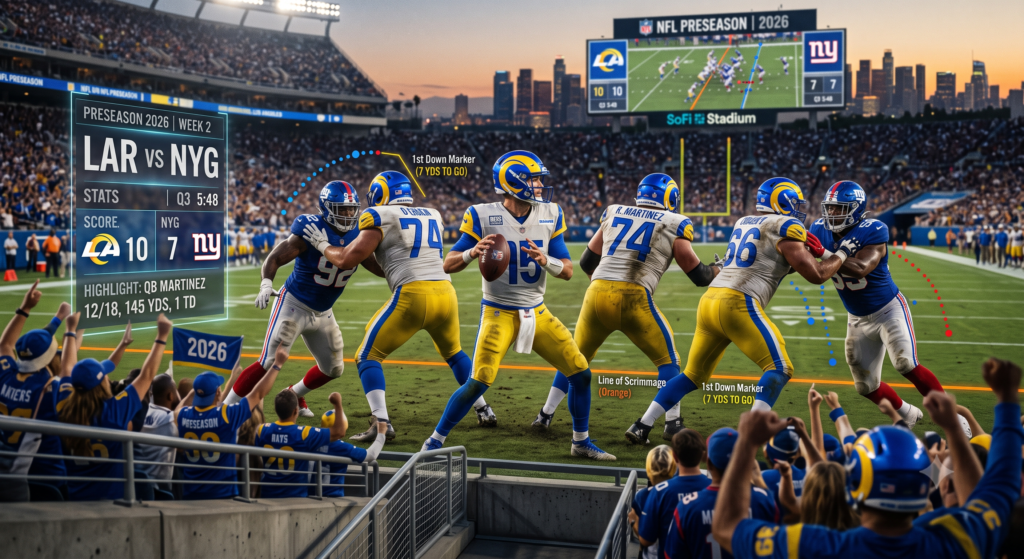
5. Conclusion: Redefining True Strength
True strength in the modern NFL encompasses vulnerability, self-awareness, and seeking help when needed. Prioritizing mental wellness ensures athletes thrive both on and off the field.