


In the modern NFL, the shelf life of a franchise quarterback has stretched significantly. While previous generations often faced early retirements due to relentless defensive pressure and repetitive wear-and-tear injuries, today’s signal-callers are playing at an elite level well into their late thirties. This shift is driven by a revolution in sports science, cutting-edge biomechanical analysis, and specialized nutritional protocols.
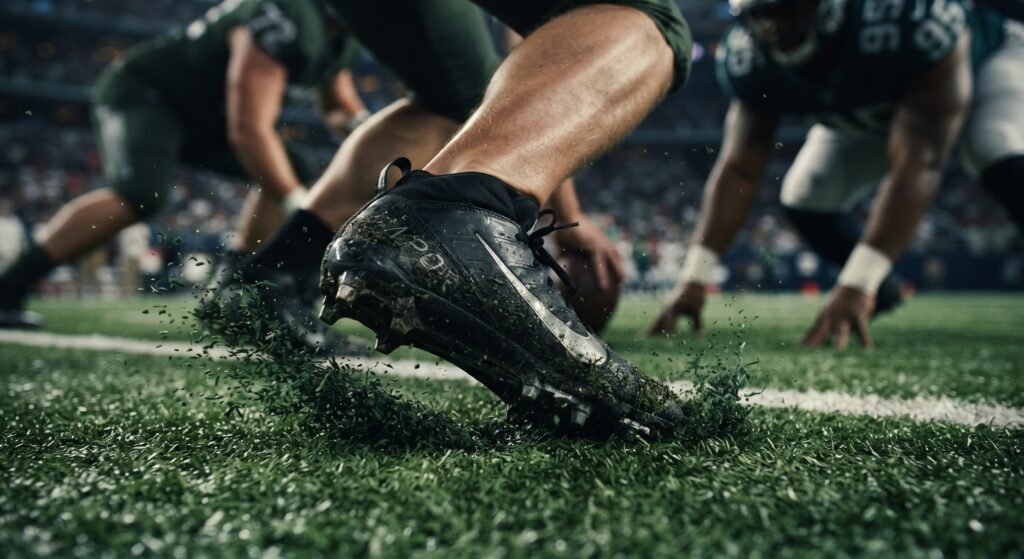
1. Biomechanical Efficiency and Throwing Mechanics
Protecting throwing shoulders and elbows begins with precise biomechanical tracking. Quarterbacks work closely with private trainers during the offseason to refine every micro-movement.
- Kinetic Chain Optimization: Generating power from the ground up through core rotation rather than relying purely on arm strength reduces chronic joint stress.
- Quick Release Biomechanics: Shortening the backswing minimizes the window of vulnerability against fast-closing edge rushers.
2. Advanced Recovery and Cryotherapy
The Monday-after recovery routine has transformed from basic ice baths into state-of-the-art biological restoration protocols.
- Sleep Science Tracking: Utilizing smart rings and mattress sensors to monitor deep REM sleep cycles ensures optimal nervous system recovery.
- Hyperbaric Chambers and Cryo-Spas: Reducing muscular inflammation rapidly allows players to return to full throwing strength within days of heavy contact.
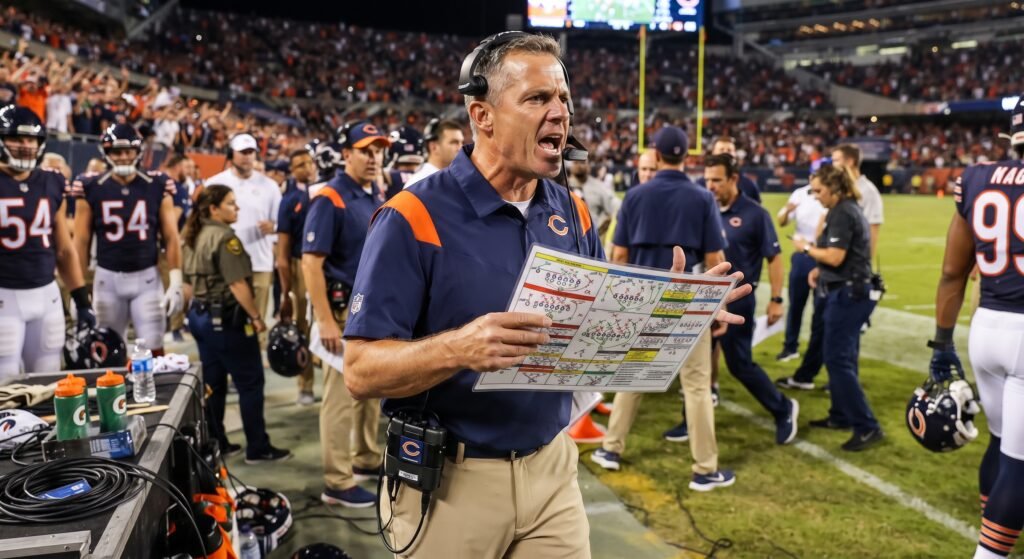
3. Personalized Nutritional Engineering
Gone are the days of heavy pre-game steak dinners. Modern NFL nutritionists design hyper-personalized carbohydrate and protein regimens tailored to individual sweat rates, metabolic speeds, and gut health indicators.
4. Mental Resilience and Cognitive Training
Physical health is only half the battle; cognitive endurance under high-stress defensive environments requires dedicated mental conditioning. Using virtual reality (VR) headsets, quarterbacks simulate live game scenarios to speed up decision-making processes before stepping onto the turf.
5. Conclusion: Redefining Athletic Aging
Thanks to technological integration and medical advancements, elite athletes can maintain peak performance levels longer than ever before, altering franchise longevity metrics across the board.