
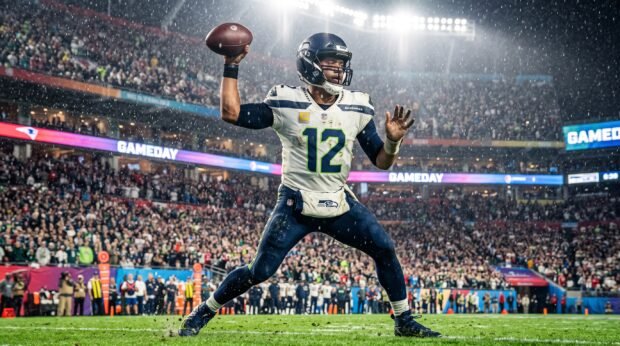

Football is a game decided by razor-thin margins—a foot landing in bounds, a knee touching turf a millisecond before a fumble, or a holding penalty deep in the red zone. As the game has accelerated with faster athletes and complex schemes, the pressure on NFL officiating crews has intensified exponentially. To maintain competitive integrity, the league continues to adopt innovative video review technologies and centralized command center oversight.
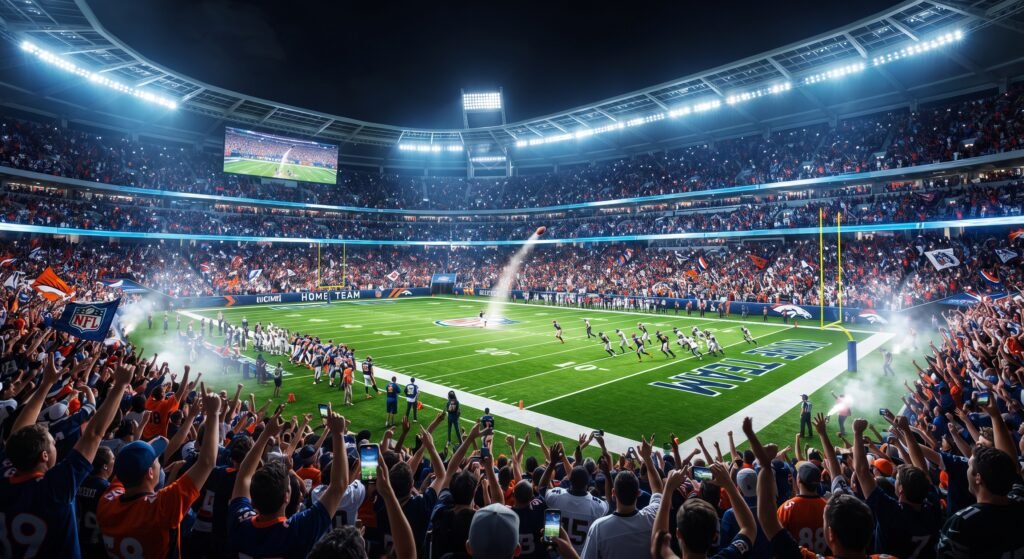
1. Centralized Replay and Instant Overturns
The league’s officiating command center operates like mission control, communicating in real-time with on-field referees to address clear and obvious errors.
- Speeding Up Reviews: Streamlining communication between replay assistants and the head referee cuts down game delays while ensuring accuracy.
- Eliminating Blatant Missed Calls: High-definition multi-angle cameras placed around stadiums provide foolproof tracking for scoring plays and turnovers.
2. Specialized Tracking Chips in Footballs
Microchips embedded directly inside official game balls allow tracking systems to map precise ball location down to the millimeter.
- First-Down Measurements: Advanced optical tracking assists in determining line-to-gain thresholds without relying solely on traditional chain crews.
- Rotation and Velocity Data: Analytics teams study spin rates and velocity metrics to evaluate throw efficiency.
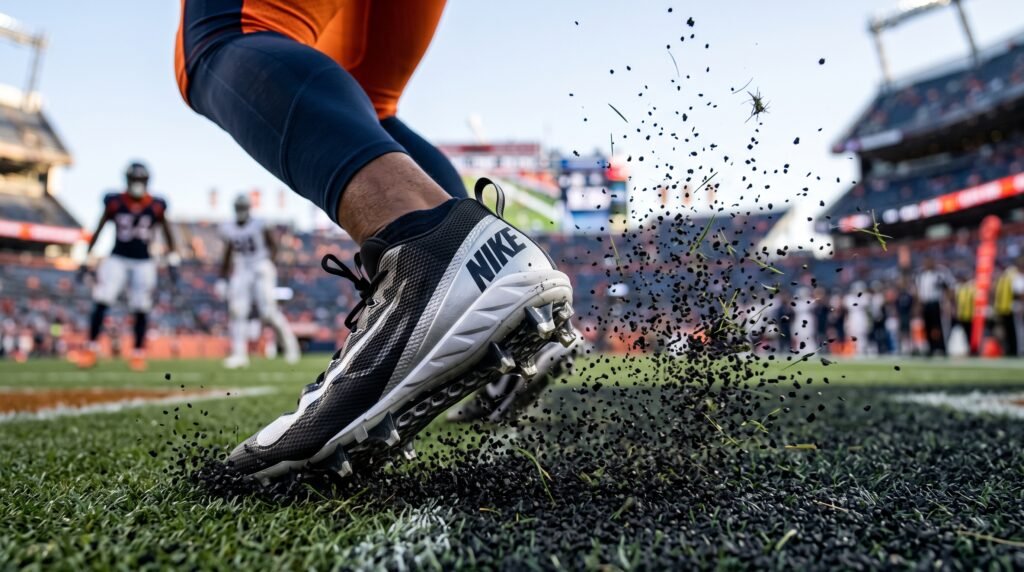
3. Balancing Human Judgment with Automation
While technology solves objective tracking questions (such as whether a foot crossed the goal line), subjective calls like pass interference or roughing the passer still require human interpretation. Striking the right balance remains a constant discussion point for the competition committee.
4. Continuous Training and Accountability
Officiating crews undergo rigorous weekly reviews, examining every penalty flag and non-call through multi-angle grading systems. Poorly graded crews face demotion or loss of high-profile prime-time assignments, reinforcing strict quality control standards.

5. Conclusion: Protecting the Integrity of the Game
As technology marches forward, the ultimate goal of NFL officiating remains consistency, fairness, and accuracy, ensuring that games are decided by players making plays rather than human oversight errors.