
Introduction: Beyond Brute Force – The Mind Behind the Game
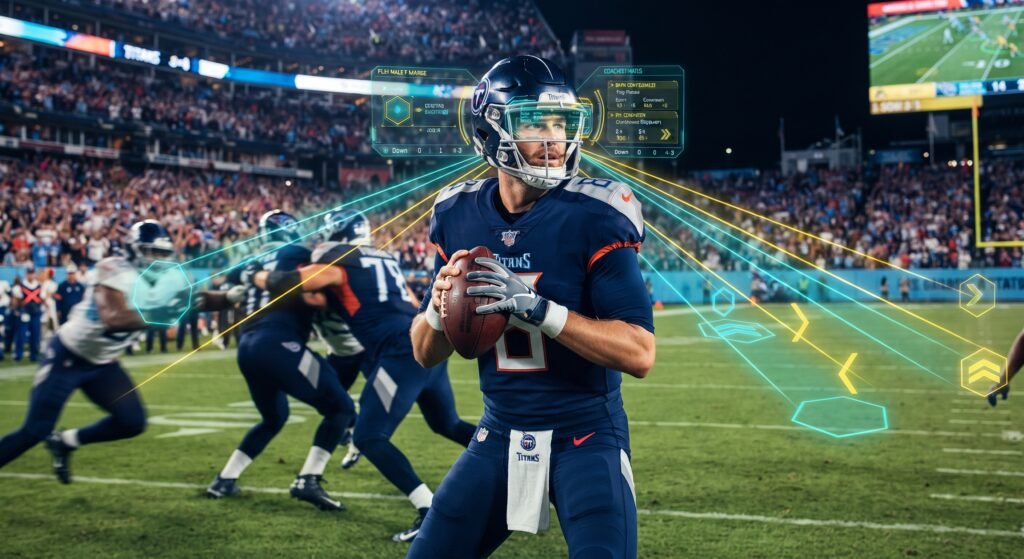
To the untrained eye, football can look like a chaotic collision of large athletes running at full speed. However, beneath the surface violence lies one of the most sophisticated tactical chess matches in all of sports. Every single play is a meticulously choreographed sequence of physics, geometry, and psychology. The evolution of NFL coaching schemes, offensive philosophies, and defensive counters has turned the sport into an intellectual warfare where games are often won on the whiteboard long before kickoff.
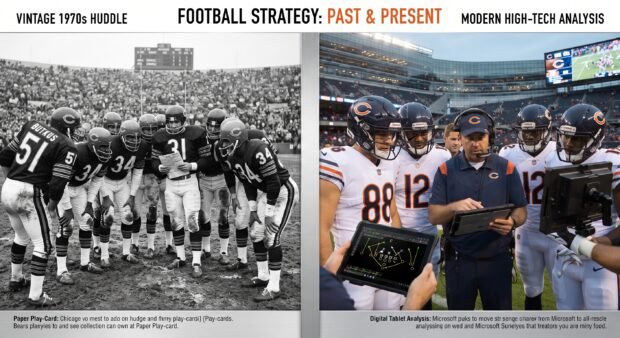
In the early days of the league, strategies were remarkably simple: run up the middle, rely on physical dominance, and keep passing to a bare minimum. Playbooks could fit inside a single pocket. Fast forward to the modern era, and NFL playbooks resemble master’s degree textbooks, featuring hundreds of variations, intricate pre-snap motions, disguised coverages, and hyper-specialized personnel packages.
The Offensive Revolution: West Coast, Spread, and RPOs
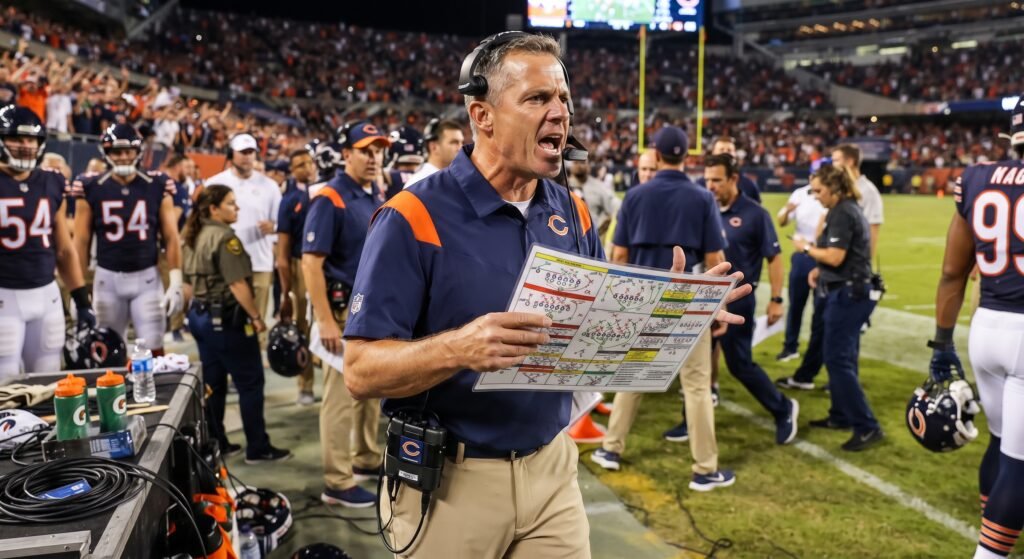
Offensive innovation has consistently driven the popularity of the NFL. In the 1970s and 80s, legendary coach Bill Walsh revolutionized the game with the West Coast Offense, emphasizing short, precise passes that functioned essentially as an extension of the running game. This system dismantled traditional defensive mindsets by forcing linebackers and cornerbacks to cover laterally across the entire field.
As defensive athletes grew faster and stronger, offenses responded with the Spread Offense and, eventually, Run-Pass Options (RPOs). Today’s offenses place immense pressure on individual defenders by forcing them to make split-second reads. Quarterbacks are no longer just pocket passers or traditional runners; they are dynamic decision-makers capable of deciphering complex split-second alignments and executing plays with pinpoint accuracy. The integration of data analytics has further refined offensive play-calling, helping coaches calculate fourth-down conversion probabilities and optimal red-zone tendencies.
Defensive Counter-Punch: Multi-Faceted Schemes and Sub-Packages

Defense in the NFL has had to evolve constantly to stay a step ahead of explosive modern offenses. Gone are the days of rigid, predictable base formations. Modern defensive coordinators utilize hybrid schemes, fluid zone-blitz concepts, and versatile defensive backs who can cover elite wide receivers while also stopping the run.
The rise of hybrid linebackers and safeties—players who can rush the passer, drop into deep coverage, and tackle open-field runners—has redefined roster construction. Teams frequently deploy nickel and dime packages (featuring five or six defensive backs) on over 70% of snaps, rendering traditional positions increasingly fluid. It is a game of constant adaptation: when offenses spread the field, defenses respond with speed and multi-layered disguises designed to confuse the quarterback’s internal clock.
Conclusion: The Perpetual Cycle of Innovation
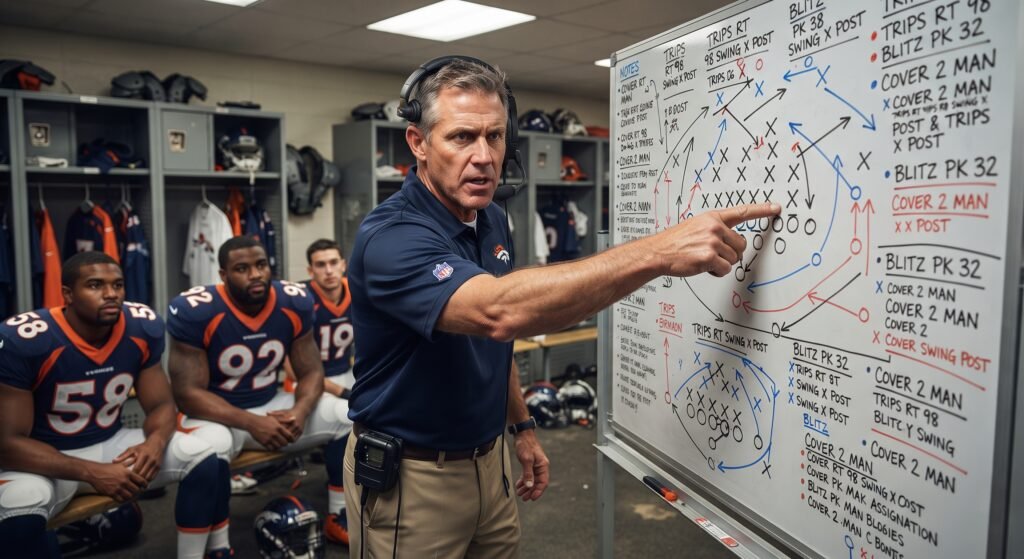
The beauty of NFL strategy lies in its perpetual evolution. Whenever a brilliant offensive mind introduces a scheme that breaks the league, defensive masterminds spend the offseason analyzing tendencies, designing new pressure packages, and finding the counter. This endless cycle of tactical chess ensures that football remains endlessly fascinating, intellectually stimulating, and intensely competitive.