
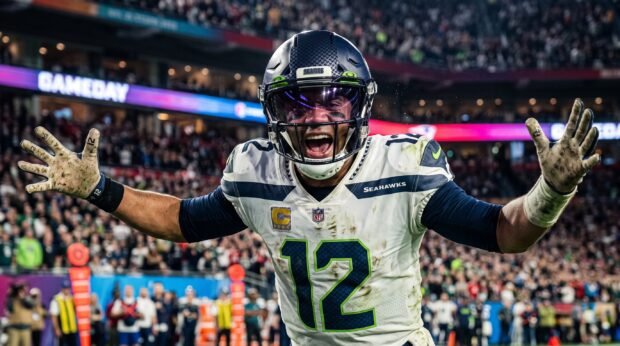

Few things capture the raw excitement of American sports quite like a frantic, fourth-quarter comeback in the National Football League. In an era where advanced play-calling, high-powered offenses, and explosive playmakers can erase a double-digit deficit in mere minutes, managing late-game pressure separates ordinary rosters from championship contenders.
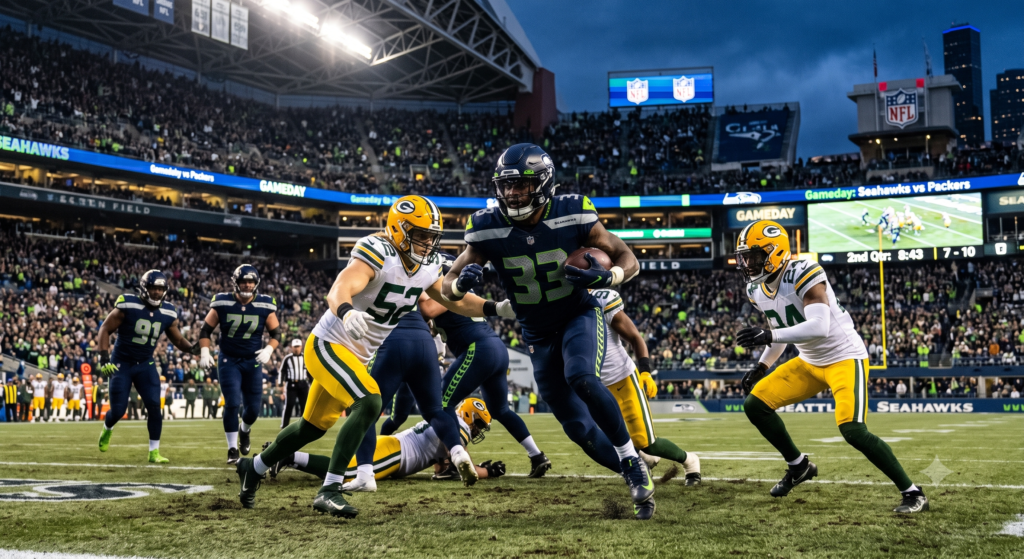
1. The Two-Minute Drill Under Modern Scheme Design
When the clock winds down and a game hangs in the balance, offensive coordinators shift into highly structured, high-tempo two-minute packages designed to stress defensive sub-packages.
- Hurry-Up Formations: Keeping defenses in base or nickel alignments prevents coordinators from substituting specialized pass-rush personnel.
- Sideline Awareness: Receivers are trained to catch and immediately get out of bounds to stop the game clock, maximizing every precious second.
2. Psychological Resilience and Emotional Control
Panicking under a heavy pass rush or after a crucial interception is a surefire recipe for defeat. Elite quarterbacks master the art of short-term memory, treating high-stress moments with absolute composure.
- Locker Room Leadership: Veteran leaders anchor the sideline energy, rallying teammates to execute clean fundamentals without mental errors.
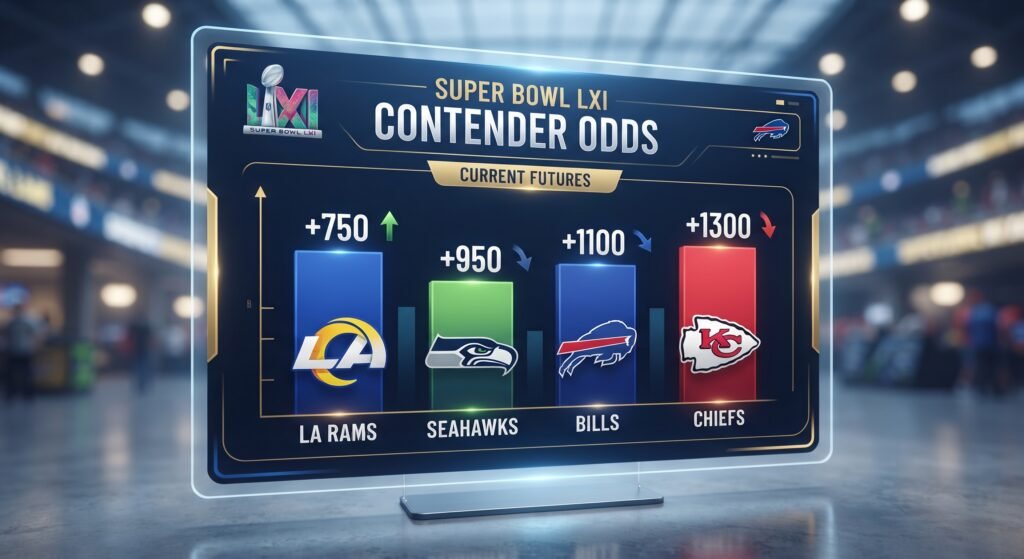
3. Defensive Stand in Crunch Time
Conversely, defensive units must rely on disciplined rush lanes and disciplined zone coverages to prevent explosive game-winning drives, turning every final possession into an intense tactical chess match.
4. Analytical Win Probability Charts
Coaches on the sidelines consult real-time data models that calculate win probabilities on fourth downs and two-point conversion attempts, guiding high-stakes risk management decisions.
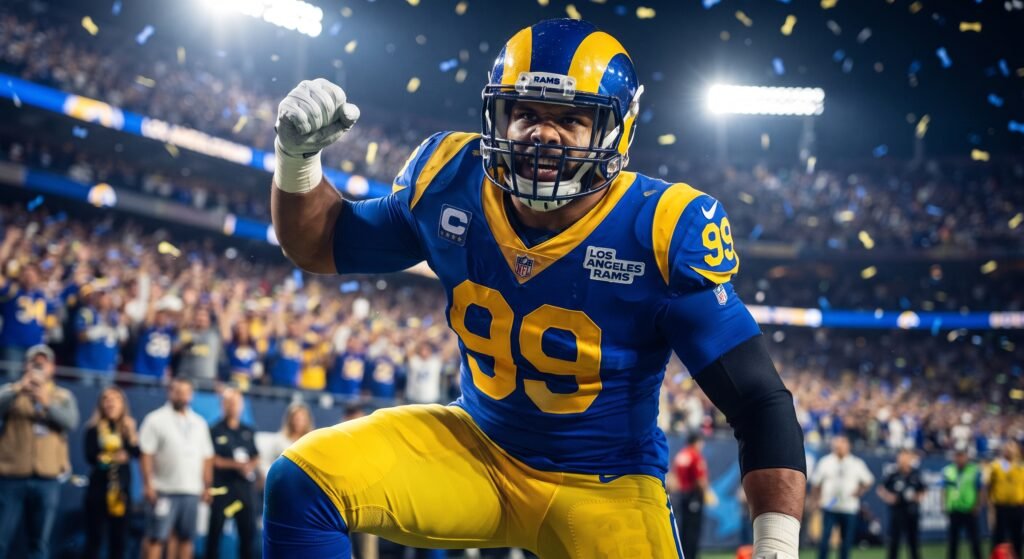
5. Conclusion: The Drama That Defines Sunday Afternoon
The ability to execute under extreme pressure is what makes NFL finishes unforgettable, cementing legendary moments in sports history week after week.