
Professional football is a game of constant adaptation. Over recent seasons, the National Football League has introduced significant rule modifications aimed at balancing high-octane offensive entertainment with strict player safety protocols. From updated kickoff setups to expanded instant-replay accountability, these changes heavily influence strategic planning for coaching staffs across the country.

1. Kickoff Innovations and Dynamic Setup Zones
Special teams play has undergone a dramatic makeover to increase play returns while mitigating high-speed, devastating collisions.
- Setup Zone Alignment: Receiving teams must position specified numbers of players directly within setup lanes to reduce momentum-driven head-on impacts.
- Onside Kick Declarations: Teams can now formally declare an onside kick strategy at any point during a matchup, injecting fresh tactical wrinkles into late-game comeback scenarios.
2. Expanded Instant Replay and Command Center Oversight
Getting calls right on the field remains a top priority for league operations. Centralized replay headquarters now possess expanded review privileges to correct objective mistakes swiftly without sacrificing game pacing.

3. Protecting Defenseless Players and Strict Penalties
Player safety measures continue to tighten, focusing heavily on eliminating dangerous tackling forms and launching techniques near defenseless pass-catchers. Heavy fines and potential repeat-offense suspensions force defenders to master form-tackling mechanics.
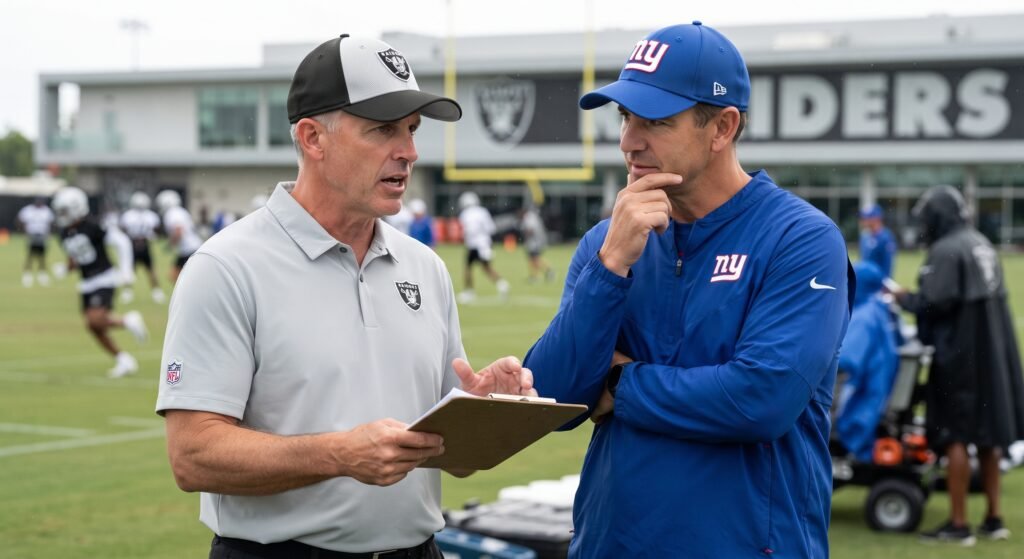
4. Analytical Adaptation by Coaching Staffs
Coordinators spend entire offseasons running simulations to adapt playbook rules to modern officiating points of emphasis, ensuring their teams avoid costly yellow flags in crunch time.
5. Conclusion: Preserving the Future of the Sport
While traditionalists occasionally debate rule adjustments, these proactive measures ensure the long-term health of athletes while maintaining the thrilling competitive balance fans love.