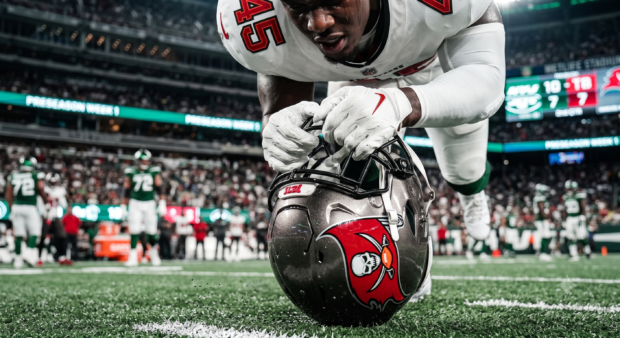

Data science has permanently altered how professional football front offices operate. Once viewed with skepticism by old-school football minds, advanced analytics now dictate critical decisions across the National Football League.NFL From high-stakes draft night valuations to aggressive fourth-down strategy charts, general managers and head coaches rely heavily on tracking algorithms to gain competitive edges.
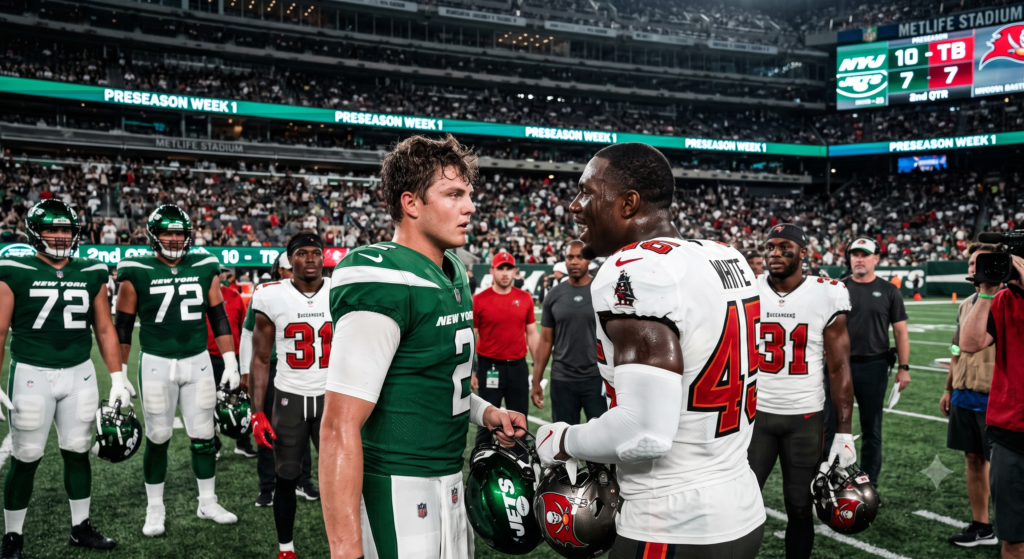
1. Transforming the NFL Draft Through Value Curves
Drafting elite talent is no longer just about scouting eyeball evaluations; it involves complex statistical modeling and surplus value metrics.
- Rookie Contract Advantage: Drafting a franchise quarterback or elite wide receiver on a cost-controlled rookie deal allows front offices to allocate free-agent spending toward key defensive anchors.
- Trade Value Charts: Modern trade calculators weigh historical draft pick success rates to determine fair value in multi-player deals.
2. The Fourth-Down Revolution
For decades, conventional wisdom dictated punting the ball away on fourth-and-short from midfield. Analytics completely dismantled this risk-averse mindset.
- Expected Points Added (EPA): Coaches utilize real-time EPA models to calculate whether going for it on fourth down yields higher win probabilities than kicking a field goal or punting.
- Aggressive Play-Calling: Teams across the league now routinely keep their offenses on the field in high-leverage situations, altering opponent defensive strategies.
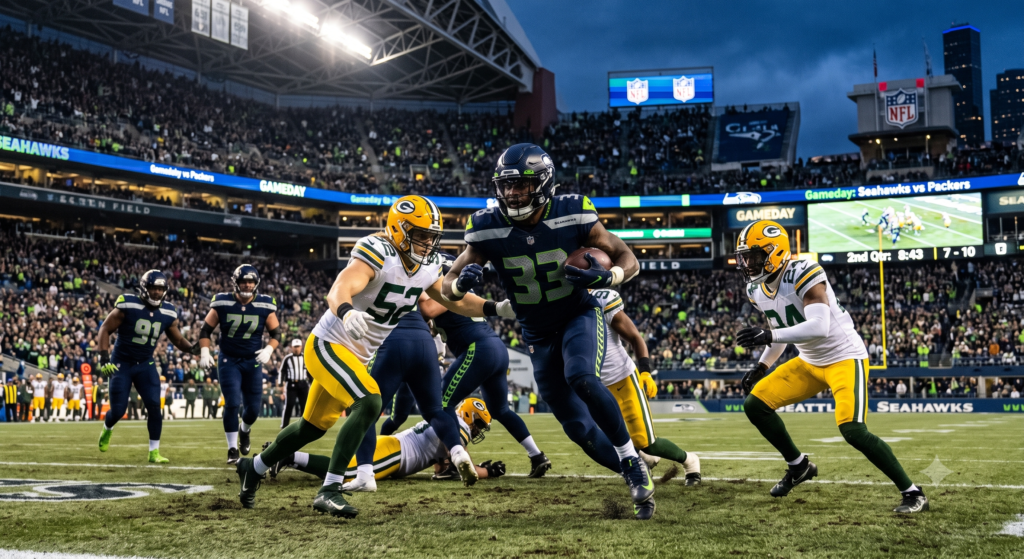
3. Player Tracking and Speed Metrics
Next Gen Stats and wearable tracking sensors capture micro-movements of every player on the field at 10 frames per second, measuring route separation, acceleration speeds, and tackle probabilities.
4. Balancing Human Intuition and Computer Models
While numbers drive strategic planning, emotional intelligence, locker room chemistry, and injury recovery nuances still require seasoned coaching judgment. Analytics serve as a powerful advisor rather than an absolute dictator.
5. Conclusion: The Future of Football Intelligence
As tracking algorithms grow more sophisticated, the boundary between traditional coaching and data science will continue to blur, permanently shaping how championships are won.